
Whether you’re installing a new driveway or paving a commercial parking lot, knowing what happens on asphalt paving installation day helps you prepare for the project and avoid unnecessary surprises. Most residential asphalt paving projects are completed within a single day, while larger commercial installations may require additional time depending on the size and complexity of the work.
The process of asphalt paving follows a carefully planned schedule, from site preparation and base inspection to asphalt placement, compaction, final inspection, and cleanup. Every stage is important because proper installation directly affects the pavement’s durability, drainage, appearance, and overall lifespan.
Homeowners and businesses throughout Buffalo, Amherst, Cheektowaga, Tonawanda, West Seneca, Orchard Park, and surrounding Erie County communities often ask what to expect when the paving crew arrives. This guide walks you through a typical asphalt installation timeline, explains each stage of the process, and shares practical tips to help you prepare before installation day.
If you’re planning an upcoming paving project, the experienced team at All Pro Paving Service (716) 666-4241 is available to answer your questions, explain the installation process, and deliver professional asphalt paving services designed for long-lasting results.
What Happens on Paving Day?
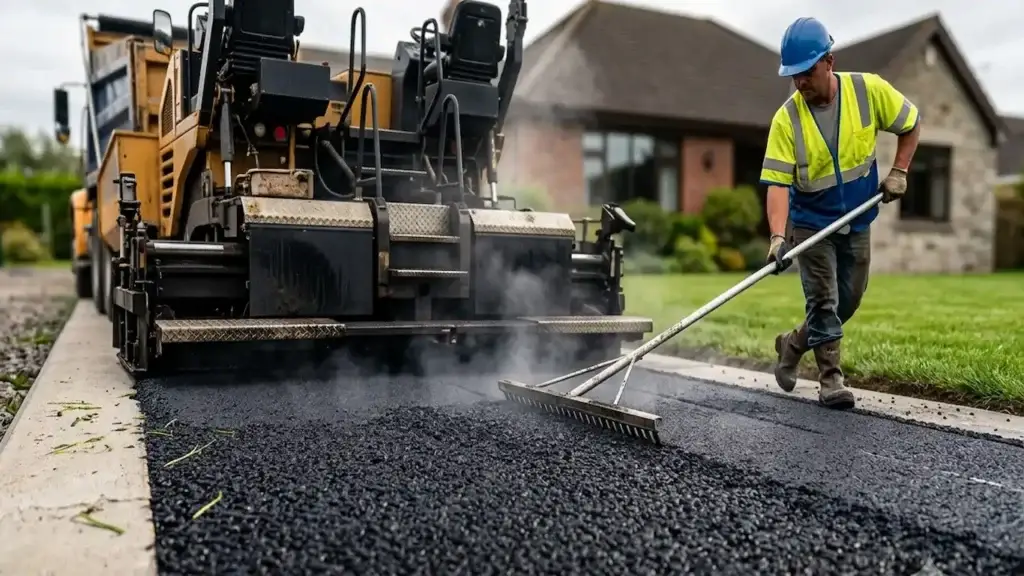
On asphalt paving installation day, the crew pulls in early, usually before traffic or heat picks up. They walk the site, get the asphalt paving equipment set in place, and then sort of set up cones and barriers for safety. The supervisor runs through the whole game plan, checks for any problem spots like drainage trouble or tricky utility covers, and makes sure everybody is clear on what they are supposed to do.
Before paving even begins, the crew also rechecks the finished pavement grade, the surface elevation, and the drainage slope to help with the long-term performance. This is also a good time for you to speak up if you have questions or last-minute requests. This is what most people mean when they ask what to expect on asphalt paving day.
6:00 AM: Arrival and Site Setup
Then comes prepared. They check that the base, the gravel, or whatever was underneath is solid and compacted. If there are any weak or soft areas, they fix them. If needed, they roll out a tack coat, which is basically an adhesive that helps the new asphalt stick in place and last longer. Making sure water drains right is part of prepping, too. Time spent here saves a ton of headaches later. This early stage plays a major role in the asphalt installation timeline.
7:00 AM: Site Preparation and Tack Coat Application
Next, the asphalt trucks arrive; timing matters a lot because the material needs to stay hot and workable. The paving machine spreads the asphalt across the area, and workers guide it carefully, especially around curbs and tricky edges. All the machines and crew have to be synchronized so the surface is even and nothing gets cold before it’s rolled. This stage is one of the most important parts of the process of asphalt paving.
8:00 AM: Asphalt Arrival and Placement Begins
Now it’s time for compaction. Heavy rollers press the air out, and the asphalt gets denser and smoother. But if the job is rushed or done unevenly, you can end up with cracks and potholes later down the road. So the pros kind of re-check the entire surface, then tune things where it matters. Also weather has a say here: in cooler temps, they have to move quickly. This is also where specialized asphalt paving gear comes in handy, more than most people realize. The professional crews keep an eye on the asphalt temperature, plus the compaction density, the whole way through, so they can satisfy industry requirements.
10:00 AM: Compaction and Rolling
That brings us to the details. Crews shape clean edges, making sure water won’t pool up anywhere. They finish out driveways, curb edges, transition spots, and utility covers. Even though the big equipment is gone, the finishing touches make all the difference in how the project looks and lasts. This is an important part of driveway installation day and professional asphalt paving services.
2:00 PM: Final Inspection and Quality Check
Once the asphalt has been placed, compacted, and finished, the project moves into the final inspection stage. The project supervisor carefully examines the entire surface to ensure it meets quality standards before the crew leaves the site. This includes checking the pavement for smoothness, proper compaction, straight edges, consistent thickness, and overall workmanship. Drainage is also verified to ensure water flows away from the pavement instead of collecting in low areas, helping protect the asphalt from premature wear.
The crew also inspects transitions around curbs, sidewalks, driveways, and utility covers to make sure they are level, secure, and professionally finished. If any minor imperfections are found, they are corrected before the equipment is removed. Finally, the supervisor walks through the completed project with the property owner, explains the asphalt curing process, answers any remaining questions, and provides aftercare recommendations. This final quality inspection ensures the asphalt paving installation meets professional standards and is ready to deliver long-lasting performance.
Installation Days Timeline
| Time | What Happens |
| 6:00 AM | Crew arrival, site setup, and safety preparation |
| 7:00 AM | Base inspection, grading, and tack coat application |
| 8:00 AM | Hot asphalt delivery and placement |
| 10:00 AM | Compaction and rolling |
| 12:00 PM | Edge finishing and detail work |
| 2:00 PM | Final inspection and quality check |
| 4:00 PM | Cleanup and curing instructions |
Before they head out, the crews clean up, haul out their equipment, and set barriers in place so nobody drives onto the fresh pavement too soon, before it really sets up.
Asphalt curing time continues for months, so hold off on heavy vehicles and sharp turns in the beginning, especially in hot weather.
4:00 PM: Cleanup and Curing Instructions
The First 24 Hours After Asphalt Paving Installation
Although your new asphalt may look finished once the crew leaves, it still needs time to cool and begin curing. During the first 24 hours, avoid driving or walking on the surface unless your contractor tells you it’s safe. Traffic barriers and caution tape should remain in place to protect the fresh pavement from tire marks, footprints, and other damage.
The First Week
During the first week, drive carefully and avoid making sharp turns while the vehicle is stationary. If possible, park in different locations instead of using the same spot every day. This helps distribute vehicle weight evenly while the asphalt continues to harden.
The First Month
Asphalt continues curing for several months. During this time, avoid placing heavy dumpsters, construction equipment, or trailers on the pavement unless your contractor confirms it is ready. Keeping the surface clean and addressing fuel or oil spills quickly will also help protect the new pavement and extend its lifespan.
Following these simple aftercare recommendations helps maximize the durability and appearance of your new asphalt surface.
For nerdy details or official guidelines, check out the Federal Highway Administration’s resources online.
Common Mistakes to Avoid After Asphalt Paving Installation
After your new pavement is placed, the first few weeks can matter just as much as the actual installation. Even though a professional asphalt paving installation gives you a solid and durable surface, how you handle it afterward has a big say in how long it stays good. A lot of property owners end up unintentionally hurting their new asphalt, mostly because they didn’t know about a handful of common, easy-to-miss missteps.
One of the biggest mistakes is parking heavy vehicles in the exact same spot every day during the early curing period. Asphalt keeps hardening well past the day the crews leave, and if one area gets all the concentrated weight, you can end up with small depressions that you notice later. When you can, rotate where you park over the first couple of months so the load is spread out more evenly across the whole surface.
Another frequent problem is making sharp turns while the vehicle is sitting still. Turning the steering wheel hard without moving forward can put extra strain on fresh asphalt. This tends to show up more during hot summer weather, when the pavement can still be a little softer than you expect. A steadier driving style, with fewer sudden moves, will help keep everything in better shape.
Some homeowners also set heavy dumpsters, construction materials, or even trailers on newly paved zones too quickly. Even if it looks tough already, heavyweight during curing can leave marks, indentations, or other lasting signs. If you’re still doing additional work on the property, it’s smart to ask your contractor when the best time is to bring in heavy equipment onto the pavement.
Weather plays a major role in the success of any asphalt paving installation project. While experienced paving contractors carefully plan each job, conditions such as rain, extreme heat, strong winds, or low temperatures can affect both the installation schedule and the quality of the finished pavement.
Rain is one of the most common reasons for delaying asphalt paving because moisture prevents proper bonding and compaction. Cold temperatures cause hot mix asphalt to cool more quickly, reducing the time available for proper placement and rolling. On the other hand, very hot weather may extend curing time and make fresh pavement more susceptible to tire marks during the first few days.
Professional contractors continuously monitor weather forecasts before installation day. If conditions are unsuitable, rescheduling the project is often the best decision to ensure proper compaction, long-term durability, and overall pavement performance.
Frequently Asked Questions
What actually happens on asphalt paving installation day?
The crew preps the base, puts down tack coat if needed, spreads hot asphalt, compacts it, fine-tunes edges, inspects everything, cleans up, and gives you aftercare instructions.
How long does the whole thing take?
Small residential driveways often wrap up in a day. Bigger commercial jobs can take several days, depending on size and complexity. If you’re wondering how long asphalt installation takes, the answer depends on the size of the project and the commercial paving schedule.
When can I walk on it? When can I drive?
Most driveways are safe to walk on after about 24 hours. Driving is okay after 48–72 hours, but check your contractor’s advice if the weather’s tricky. This depends on the asphalt curing time and answers the common question, when can I walk on new asphalt.
What should I look for in a good contractor?
Clear communication, organized prep, skilled crews with good asphalt paving equipment, a solid inspection process, and easy-to-follow care instructions before they leave. You should feel informed and confident when they’re done.
What should I expect from my contractor on installation day?
You should expect professional asphalt paving services, regular communication, a clear installation inspection checklist, and guidance on the asphalt installation timeline from start to finish.